Archive

Tag Archives: Creative Apps

After some discussion with the unit tutor I’d decided to follow the beer can photography route and photograph Leicester landmarks.  I did some research and decided that I needed 5, 10 and 15 second exposures at each landmark to try and cover all bases.  Because it’s very difficult to change the ‘film’ (photographic paper) in a beer can camera without over exposing it, I’d decided I’d take a lot of pre-loaded cans out with me.  Here is my stack of beer can camera’s:
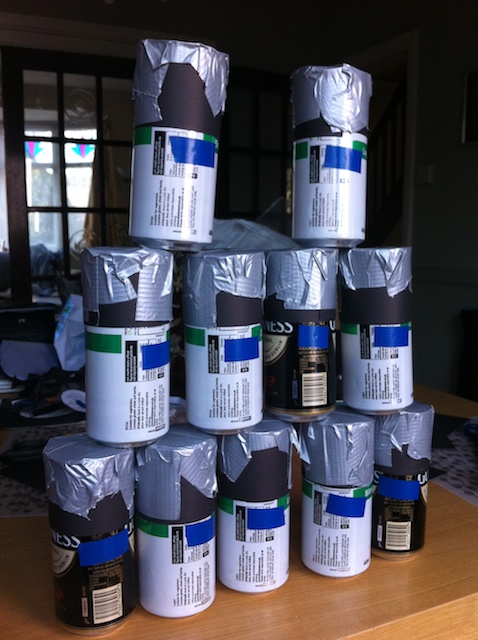
Pinhole tower

I must add that I didn’t drink all of the beer in these cans.  I went to ASDA and bought some smart price larger and bitter 4 packs (only £1.99 each!).

So, last Sunday (21st April) my wife and I went for a bus trip all around Leicester taking shots at 4 locations.  I’d taken the shots, but I wouldn’t know the results till today.

Because i’d happened to book the day off work I’d spoken to the tutors and arranged to go in early, use the darkroom and develop my shots.  I’m so glad I did, everyone was well over-exposed.  I had 12 black sheets of paper for my troubles!

So, I bought some more photo-paper and ran over to the bus station.  Took shots at 1,2 and 5 seconds. Got them back to the darkroom, success!  2 seconds seemed to be ideal for that shot.  So I loaded up my remaining cans and went for a drive around Leicester.  I went to the King Power Stadium, Tigers Stadium, The Space Centre and Abbey Pumping Station.  I then got back to college and was reasonably happy with the results.  These were then scanned, inverted, cropped, tweaked and printed A3.

Below are my final images.  I’m fairly happy with them, although they do lack a lot of definition.  I would have liked to spend more time and perfect the shots, but this wasn’t possible.
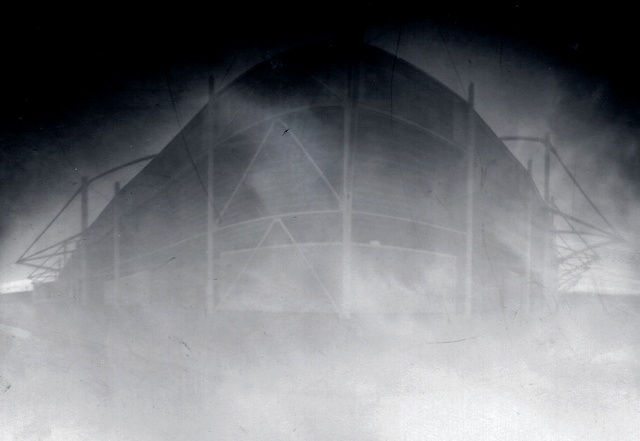
King Power Stadium
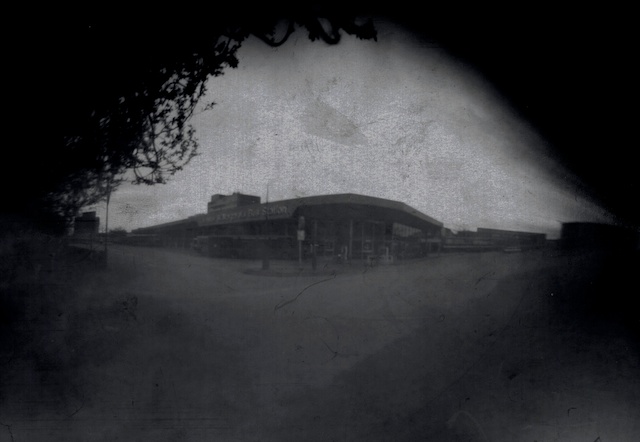
King Power Stadium

St Margarets Bus Station
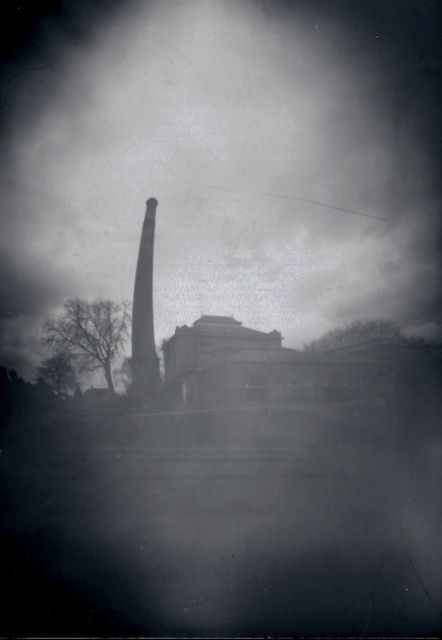
St Margarets Bus Station

Abbey Pumping Station
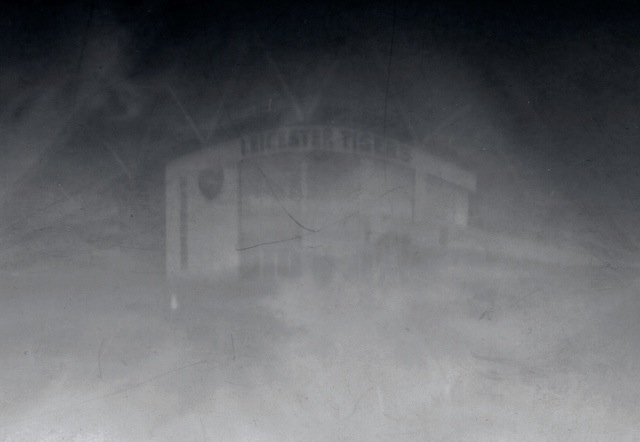
Abbey Pumping Station

Welford Road (Tigers)

Welford Road (Tigers)

Edit:  I received a Merit for this project.
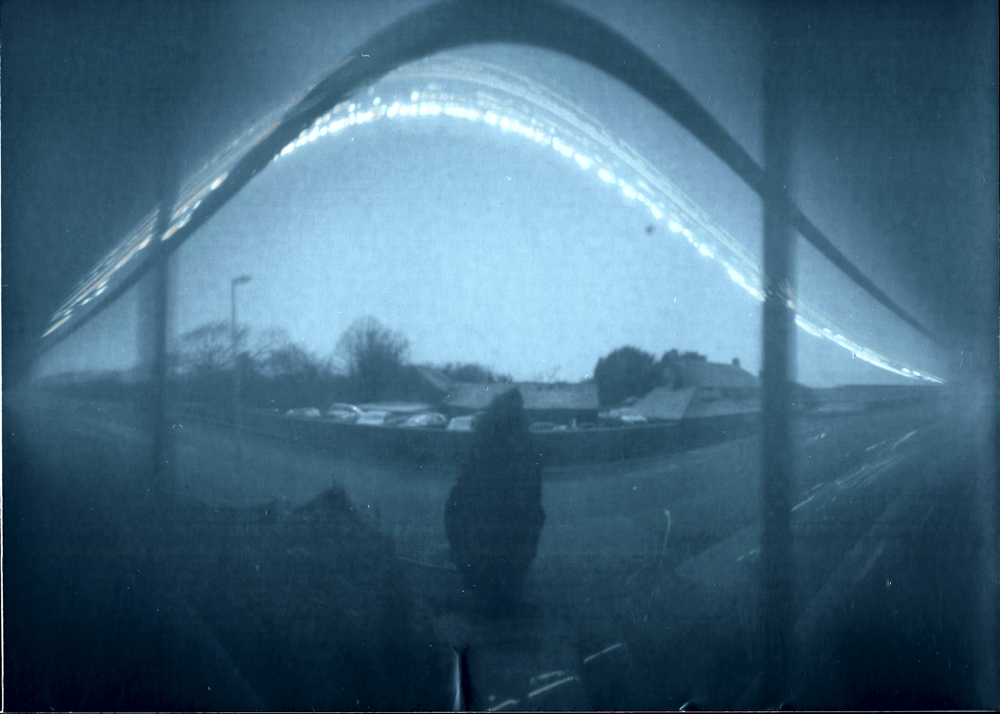
One camera-less technique that I had read about and was fascinated by was pinhole photography.  This also lead onto Solargraphs.  This is a way of taking a really long exposure image, onto photographic paper, which doesn’t need developing.  I first read about Solargraphs on Justin Quinnell’s website.  I was also pointed in the direction of Tarja Trygg who did and collected a lot of solargraphs from around the world.

The basic idea is to leave a pinhole camera, in my case a beer can (as per Justin Quinnells instructions) facing the direction of the sun so that over the days the scene is exposed and the movement of the sun can clearly be seen.

My exposure was done onto 5×7 black and white photo paper from 3rd March 2013 to 9th April 2013, so just over a month.  When it was done I scanned it, inverted the image and had a play with some of the levels to produce this:

Guinness Beer Can Solargraph

Guinness Beer Can Solargraph

I was so pleased with it.  I couldn’t believe how well it had come out.  Just a bit unfortunate that we live opposite a breakers yard so you can see the cars piled up.  The bright streak across the sky is the sun.  The black is the lead lining type pattern in the windows.  The way the the circular can deforms the picture is also really nice.

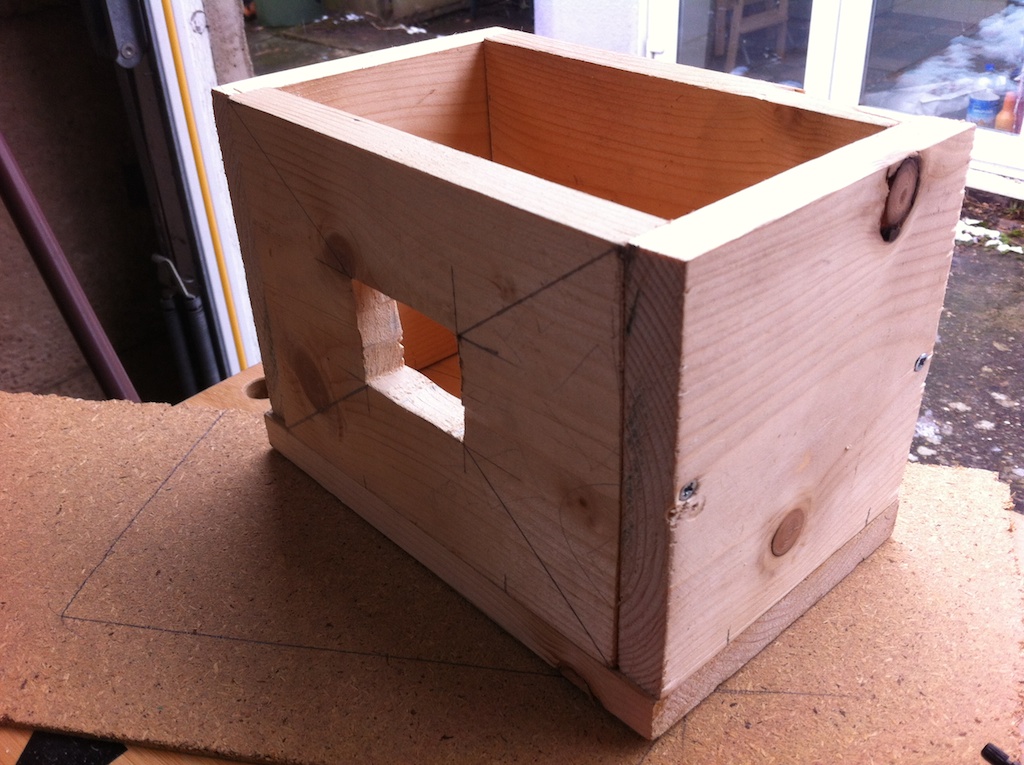
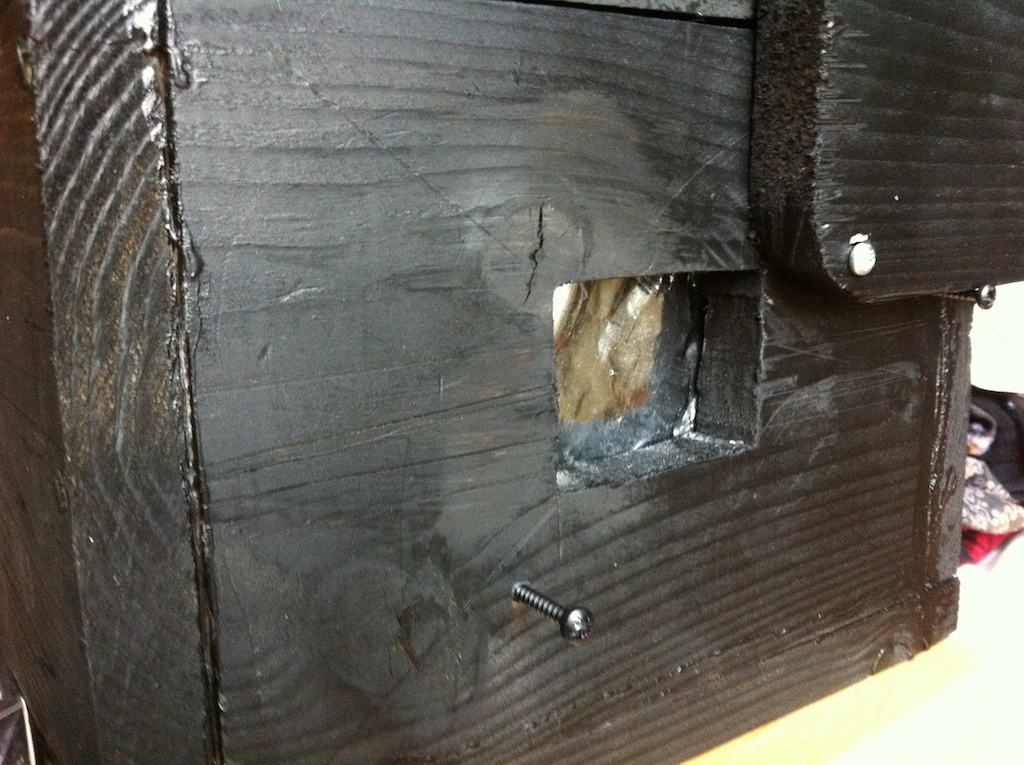
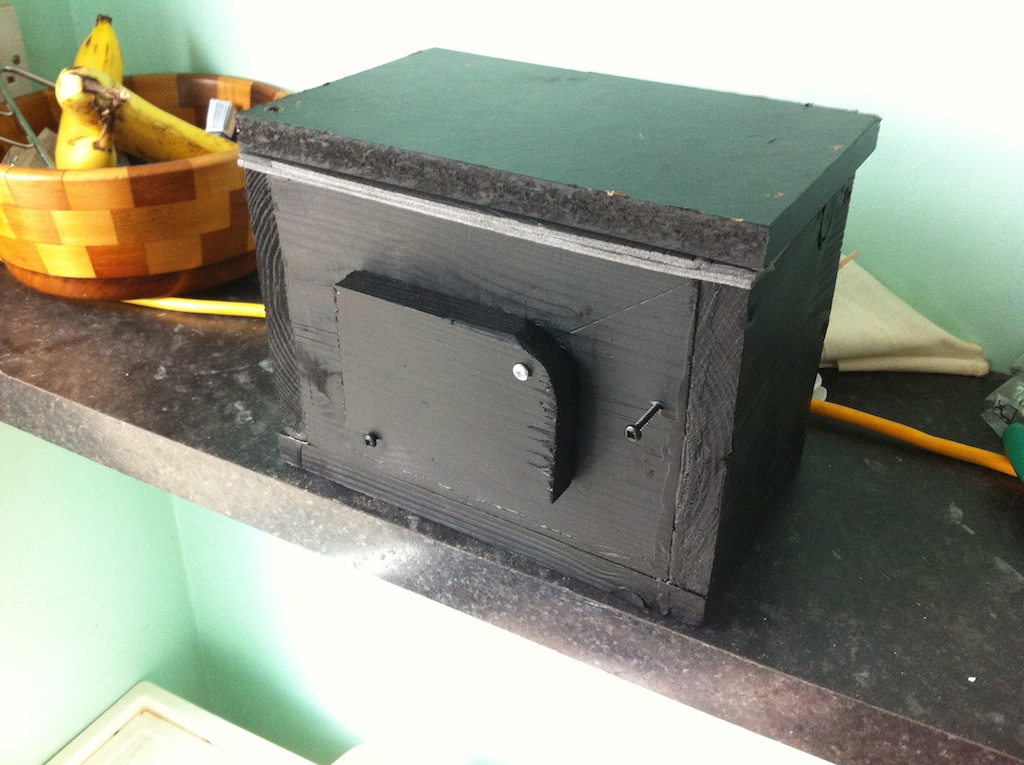
So, while waiting for my Solargraph to take shape i’d decided to build a pinhole camera.  My ‘film’ was again going to be 5×7 black and white photo paper.  I had a dig around in the garage, found some wood, purchased some glue and black spray paint and gave it a go.  I knew I needed a light sealed box with a very small hole at the front opposite the photo paper.  The best way to do this seemed to be make a large hole in the wood, cover with tinfoil and make a hole with a pin.  I also needed a crude shutter.  Below are a few photo’s of my making process:

Mocked up lower section.

Mocked up lower section.

Again, mocked up. First screws to hold it together.

Again, mocked up. First screws to hold it together.

View of the aperture/shutter assembly.

View of the aperture/shutter assembly.

Finished Camera

Finished Camera

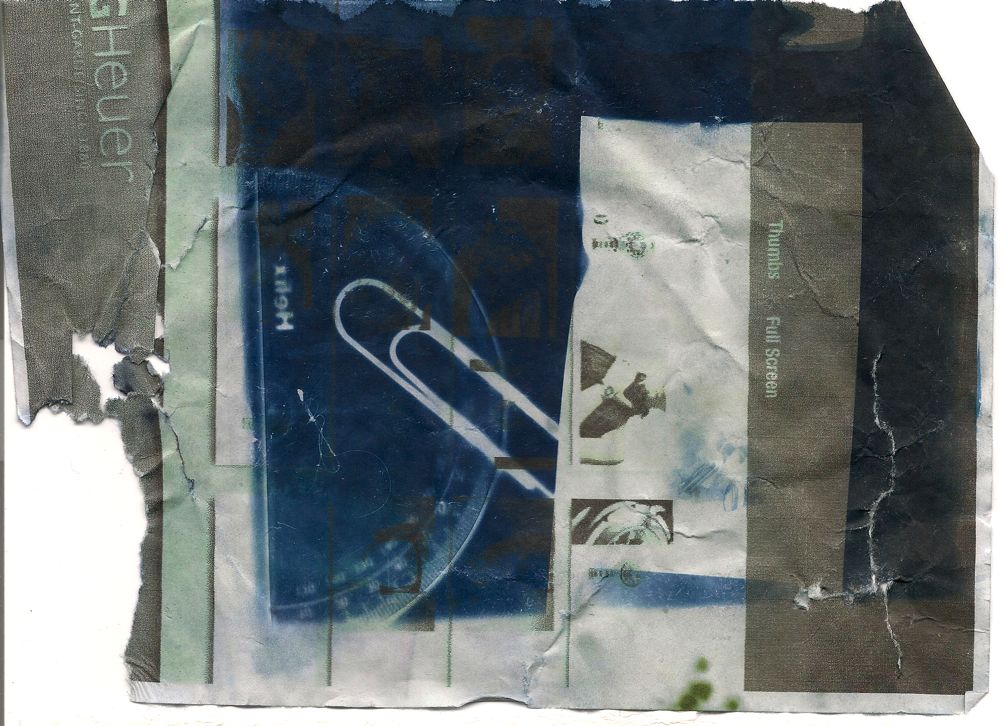
This week we tried another couple of non camera photographic techniques.  The first one being a Cyanotype or Blueprint.  Paper is painted with a solution, left to dry and then either items or an acetate print are placed on top and the whole thing exposed to UV light for 15-20 minutes.  The paper is then washed in water and then dried.  I did a fairly simple one onto a piece of paper from my watch project.  I placed some negatives, a protractor and a large paperclip onto the paper before exposing to UV:

Cyanotype

Cyanotype

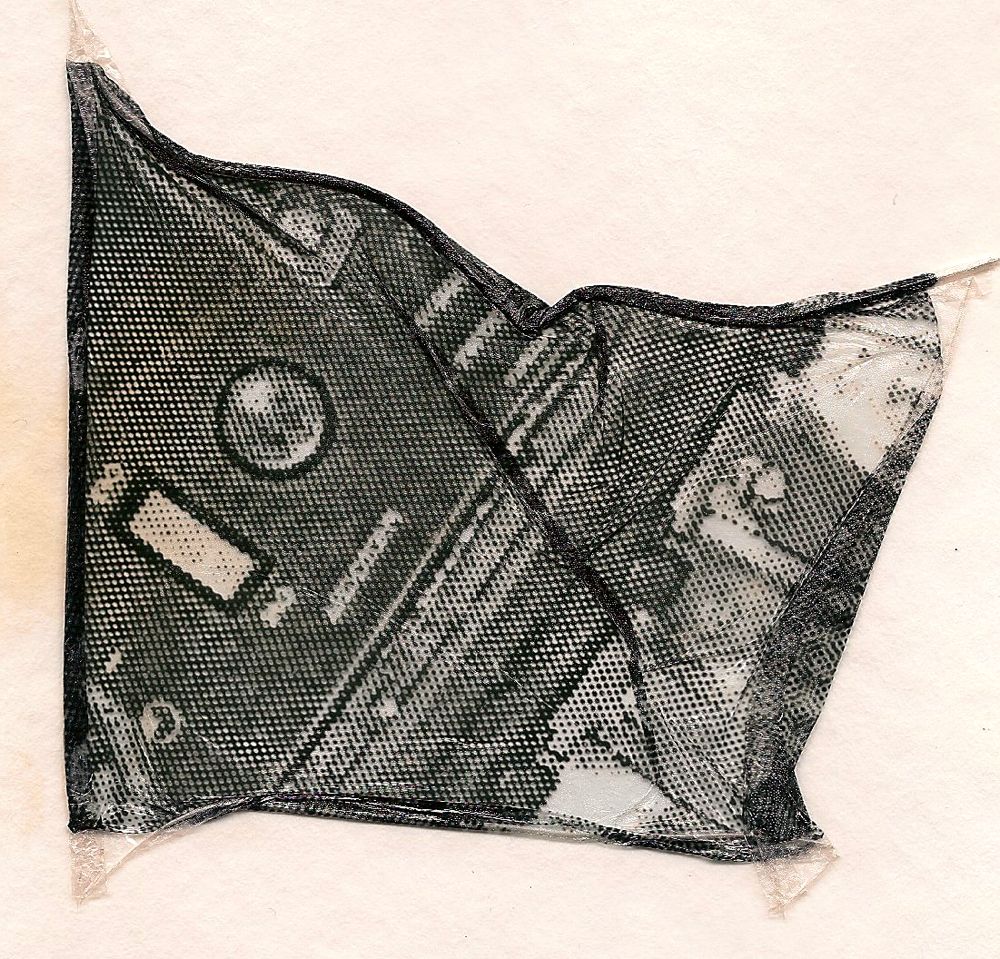
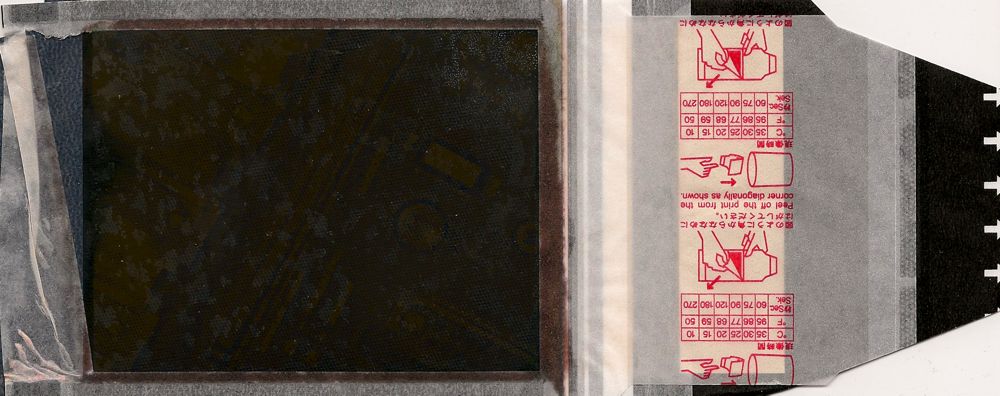
We then tried a Polaroid Lift.  Because the camera’s are so hard to come by the college has a machine that prints a 35mm negative or an acetate onto a polaroid.  What you can then do is soak the picture in hot water and the image on a thin film comes away from the white card.  There are a couple of things that can then be done with this:

  • The thin film can then be arranged on a piece of card. Either as flat as possible or most likely crumpled.
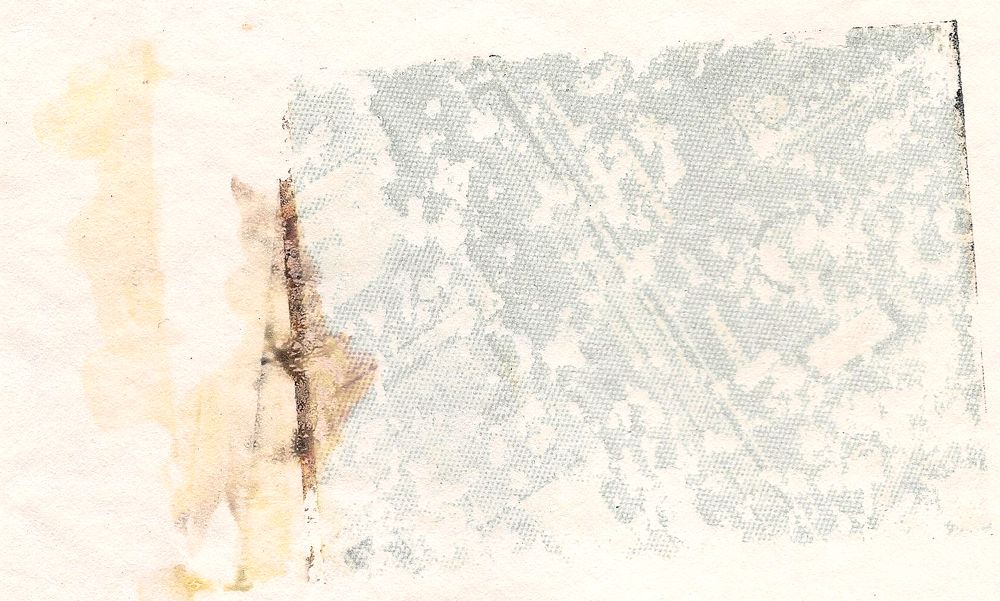
  • The black paper that is peeled off the polaroid picture can be pressed onto paper and whatever residue is left is transferred.
Polaroid Lift on paper

Polaroid Lift on paper


Polaroid residue left on backing

Polaroid residue left on backing


Polaroid backing residue

Polaroid backing residue

This week, we explored some more photographic techniques.  Building on the photogram work from last week in the darkroom and using the enlargers.

We started by distressing negatives, literally taking some of the ones we’d got from our medium format shoot then scratching and burning them!  We then started with the same 5 second test strips as before to find the correct exposure, then onto a full A4 print:

Distressed negative 5 second test strip

Distressed negative 5 second test strip

Distressed negative A4 print

Distressed negative A4 print

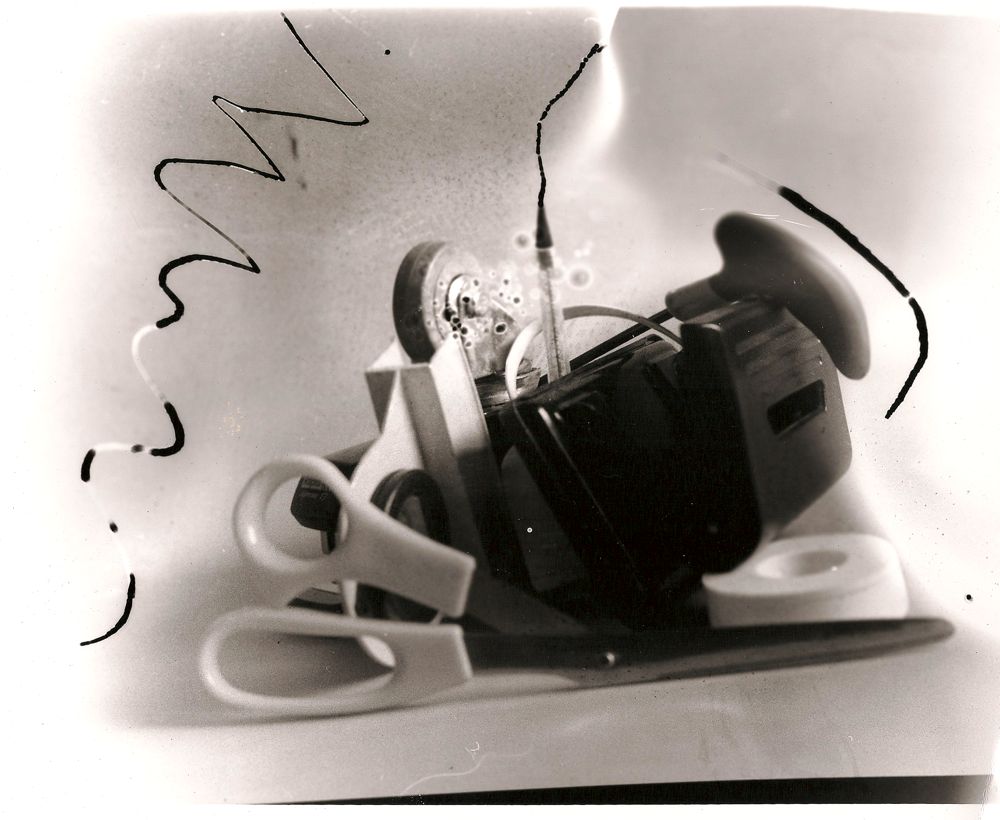
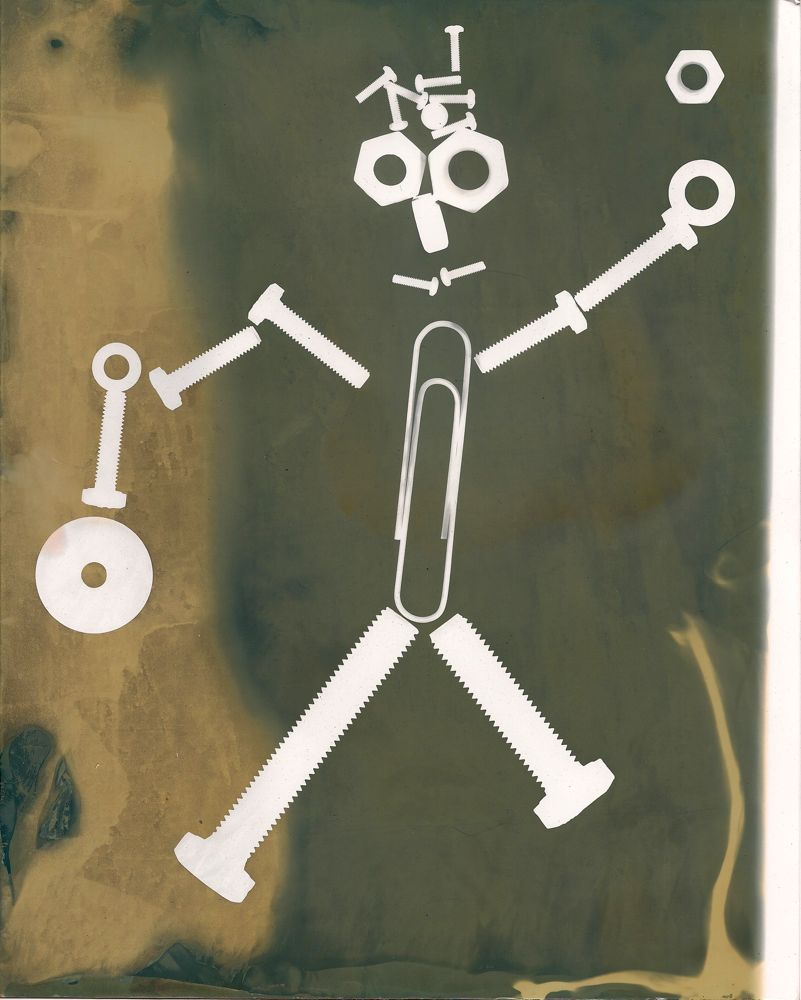
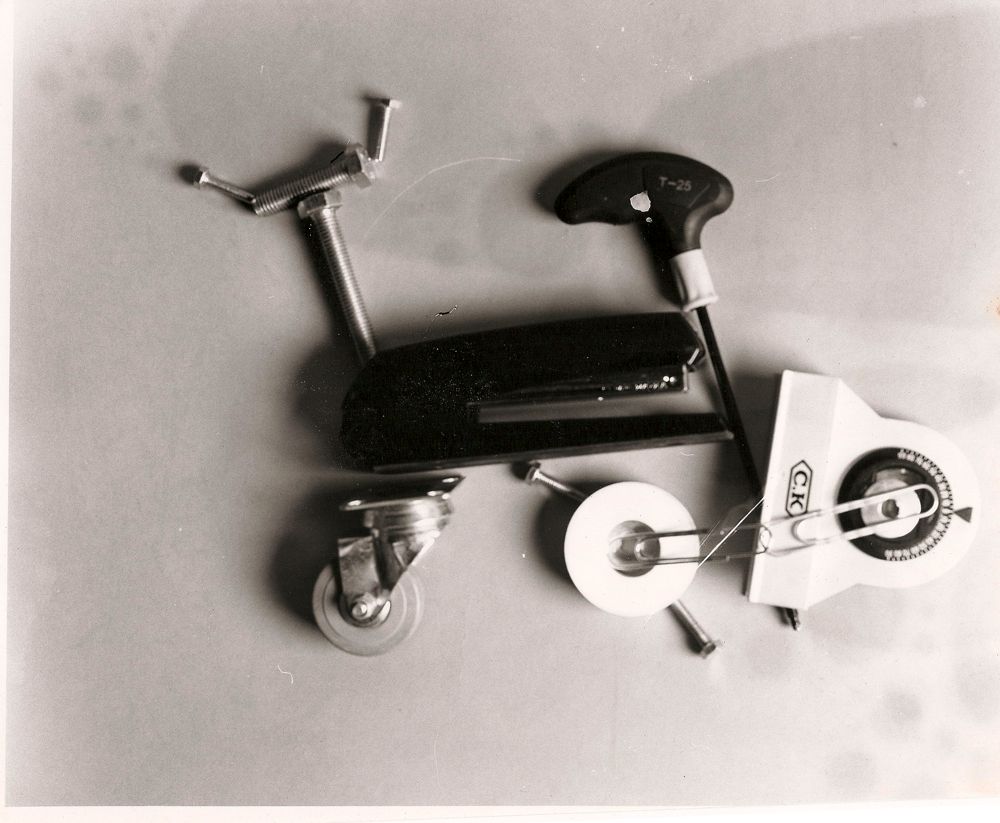
Something else we also did was to use various bleaches and dyes to colour photographs and photograms.  I used one of the photograms that I had done the previous week using nuts and screws:

Coloured photogram

Coloured photogram

With our next HNC unit we’ve moved away from using a camera, to looking at some of the historical process’ and creative techniques that are available.  These are not necessarily about getting the best, sharpest image, but making something creative.

We started in the darkroom looking at Photograms.  This is a process of placing objects onto photographic paper and then using an enlarger to shine light onto the arrangement, thus creating a negative.  This is then developed using the darkroom chemicals.

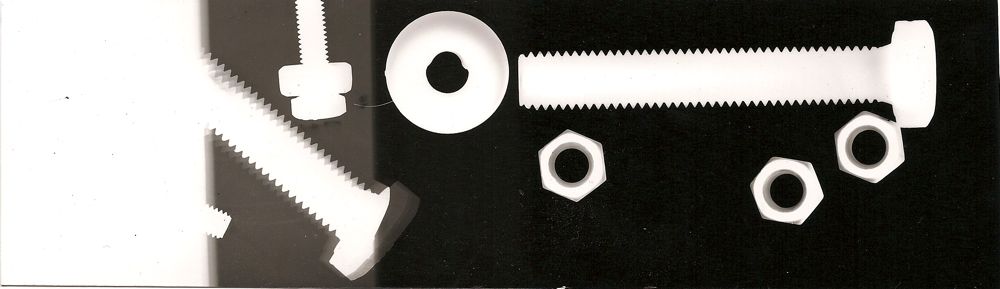
To get the correct exposure time, as with developing a negative, a test strip is done where card is used to gradually shade less of the photographic paper so that exposures of 5, 10, 15 etc. seconds can be seen.  This process can be repeated if necessary with different enlarger settings.The best time is then chosen for the final image.  (Below are scans of photo paper after developing)

Photogram 5 sec test strip

Photogram 5 Second gap test strip

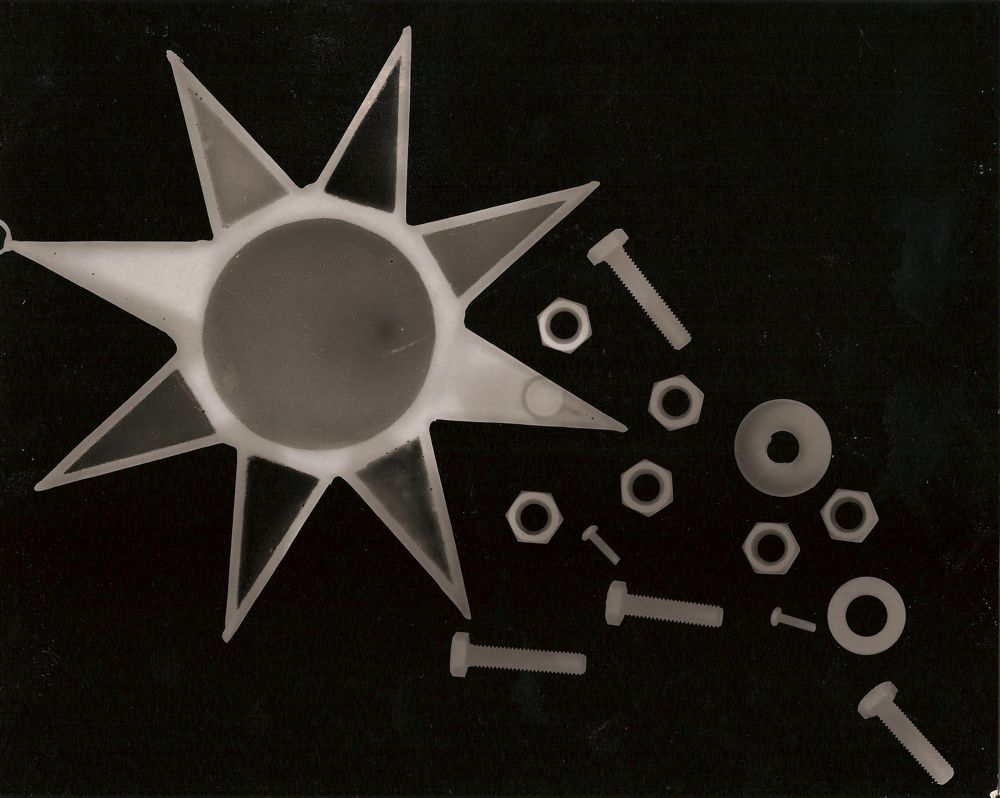
Photogram Sun Catcher A4

Photogram full size. Sun catcher and fixings

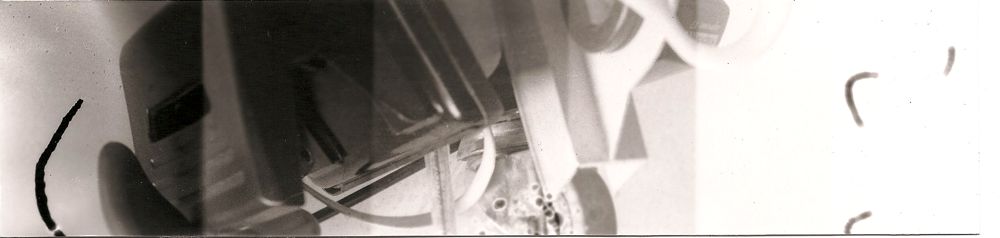
We then repeated the process with negatives that we had shot before on medium format camera’s:

Photo develop 5 sec test strip

Negative 5 second increment test strip

First Developed A4 Photo

Negative A4 print