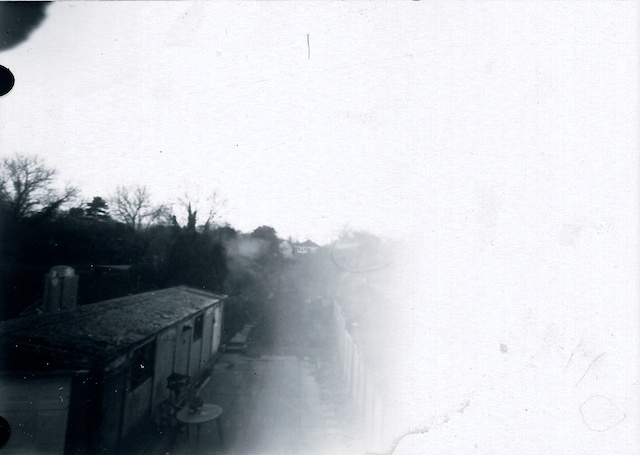
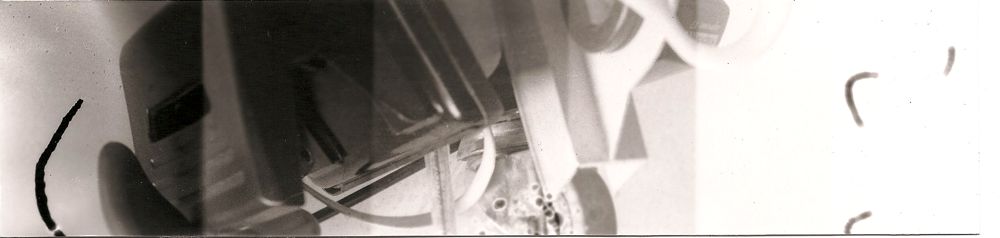
To get some more shots with my fabricated pinhole camera I decided to take it out away from the house.  It didn’t go well.  As I mentioned with my first shots the biggest challenge was changing the photographic paper.  I thought i’d found a solution by taking a black holdall bag out with me.  After taking a shot I would put the camera in the bag, which contained the new paper.  I’d then zip one arm into it, trying to use the other hand to keep the zip shut.  Then change the paper by feel and putting the exposed paper into another light tight bag.  It was a nightmare and very fiddly.  I took several exposures at three locations.  So it was very time consuming.  I must have overexposed nearly every image or exposed them to light while trying to swap paper in the bag.  All of them were either black or or horribly fogged image that I couldn’t work out which location it was from.  To rub salt into the wounds even more some of the decent ones got stuck in the drying machine and got big black marks on them.  Was a real shame.
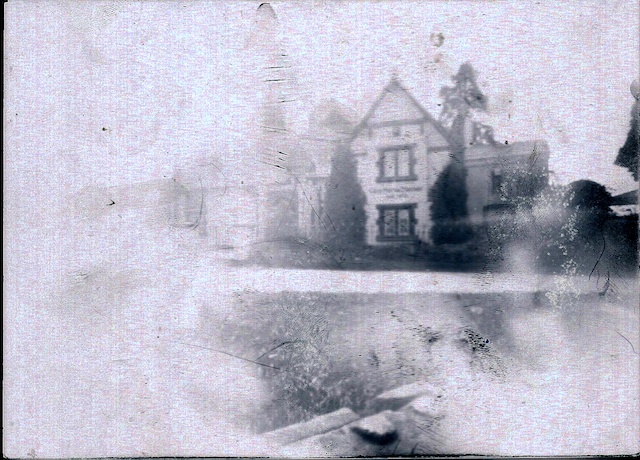
The local pub, nearly works, best image of the lot.
The local pub, nearly works, best image of the lot.

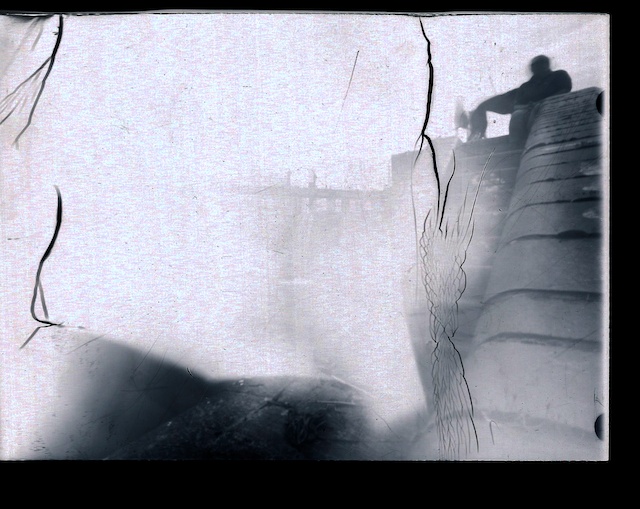
Canal lock.  Can make out some brickwork and the outline of my wife in the top right
Canal lock. Can make out some brickwork and the outline of my wife in the top right
 

One camera-less technique that I had read about and was fascinated by was pinhole photography.  This also lead onto Solargraphs.  This is a way of taking a really long exposure image, onto photographic paper, which doesn’t need developing.  I first read about Solargraphs on Justin Quinnell’s website.  I was also pointed in the direction of Tarja Trygg who did and collected a lot of solargraphs from around the world.

The basic idea is to leave a pinhole camera, in my case a beer can (as per Justin Quinnells instructions) facing the direction of the sun so that over the days the scene is exposed and the movement of the sun can clearly be seen.

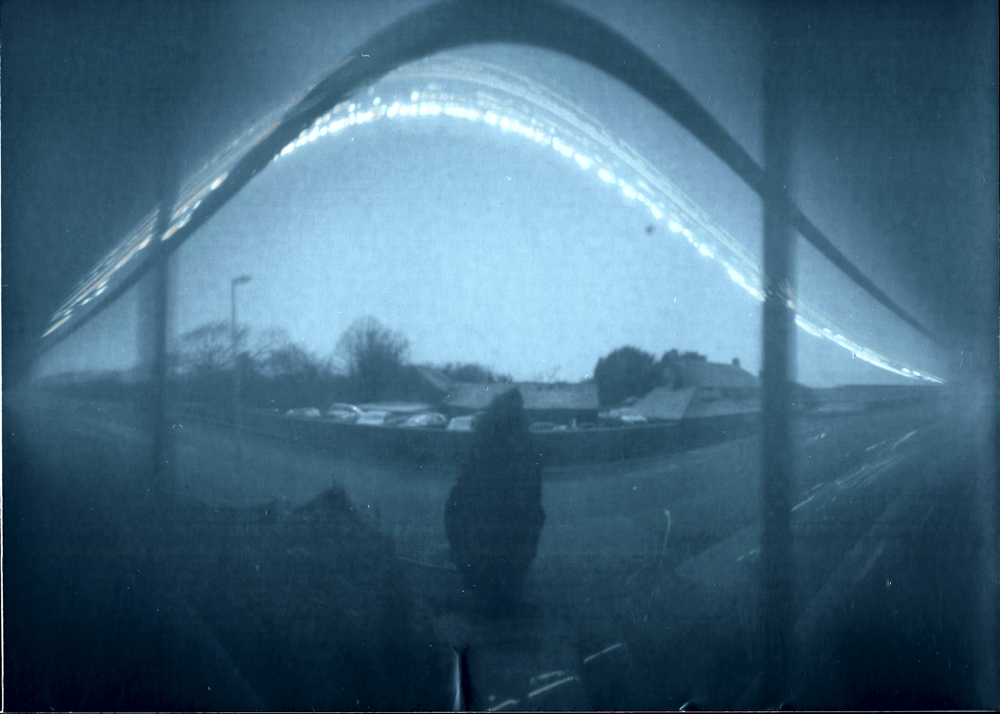
My exposure was done onto 5×7 black and white photo paper from 3rd March 2013 to 9th April 2013, so just over a month.  When it was done I scanned it, inverted the image and had a play with some of the levels to produce this:

Guinness Beer Can Solargraph

Guinness Beer Can Solargraph

I was so pleased with it.  I couldn’t believe how well it had come out.  Just a bit unfortunate that we live opposite a breakers yard so you can see the cars piled up.  The bright streak across the sky is the sun.  The black is the lead lining type pattern in the windows.  The way the the circular can deforms the picture is also really nice.

After finishing my pinhole camera I decided to try it out.  I’d done lots of research on pinhole camera’s on the internet and had a rough idea of exposure, but needed to take a few shots to get an idea of how my camera performed.

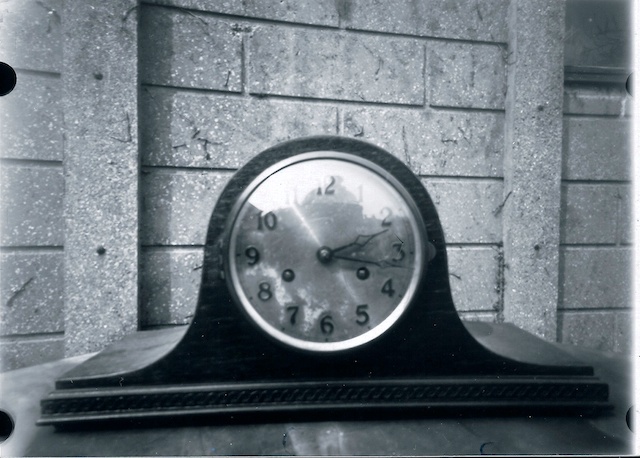
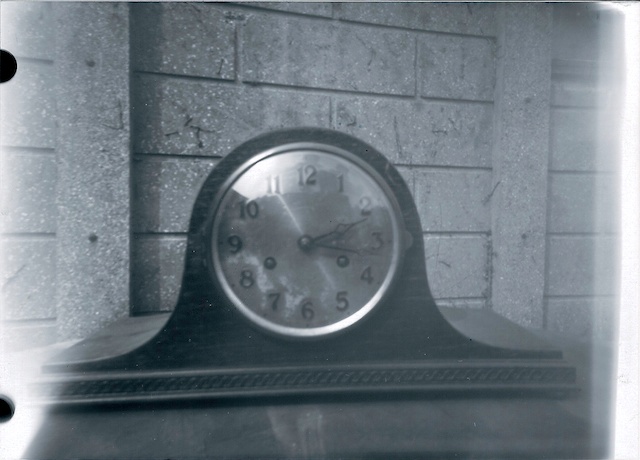
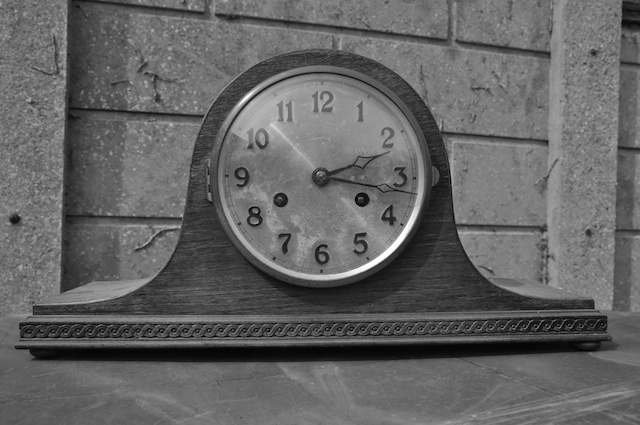
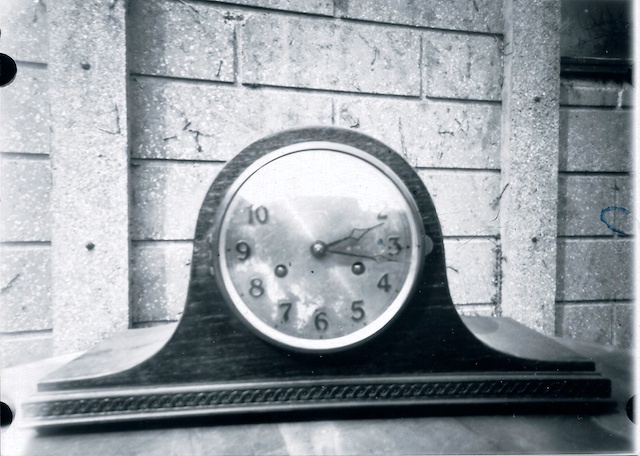
I took a carriage clock outside and tried taking lots of shots with different exposures from 1s to 20s.  Of course I couldn’t see results straight away as I then needed to take the photographic paper into college and use the dark room to develop them.  To compare I then took a picture of the clock on my DSLR.  The final couple of shots on this post are just some I was trying.  I love the vintage look.

A selection of my pinhole clock shots:

Clock 5. ? Seconds

Clock 5. ? Seconds

Clock 2. ? Seconds

Clock 2. ? Seconds

CLock 1. ? Seconds

CLock 1. ? Seconds

DSLR clock shot to compare, obviously it looks a lot better, but i’m still very pleased with the pinhole camera:

Desaturated image taken on DSLR. 100 ISO, f8, 1/200

Desaturated image taken on DSLR. 100 ISO, f8, 1/200

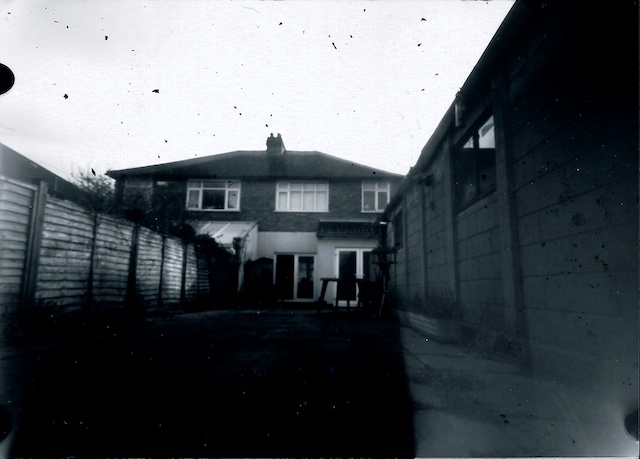
A couple of other shots of the house and garden.  My biggest challenge was changing ‘film’.  My camera can only take one sheet of photographic paper at a time.  So after every shot I had to go into a pitch black room and swap the paper for a new sheet.  The cloudy patchy look of the image could be due to me accidentally expose the photographic paper to light as I was transferring it back into it’s box.  The dark half circles are the drawing pins that were holding the paper in.  Any small black marks are probably dirt on the paper.

Back of the house

Back of the house

View from the back bedroom window.

View from the back bedroom window.

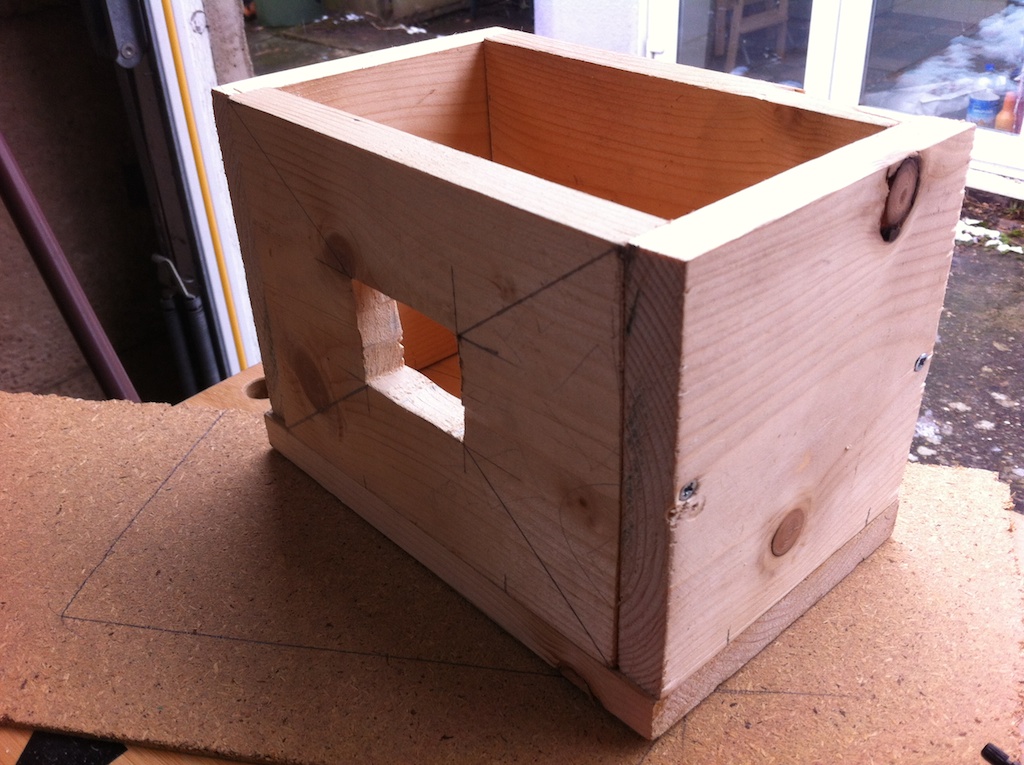
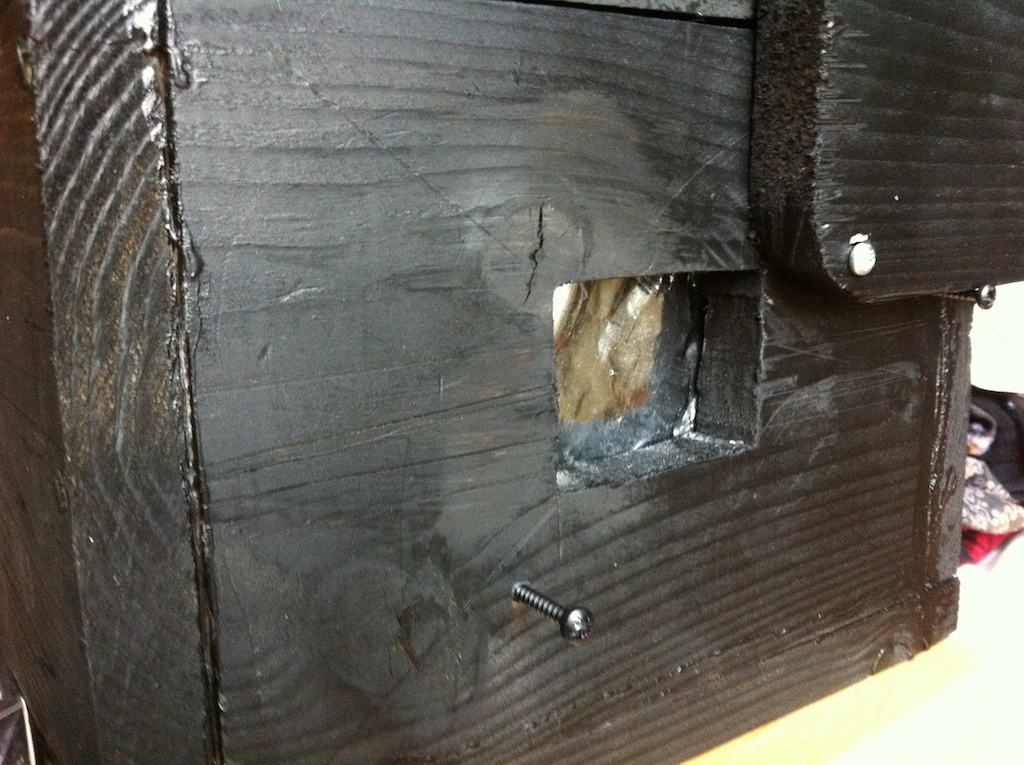
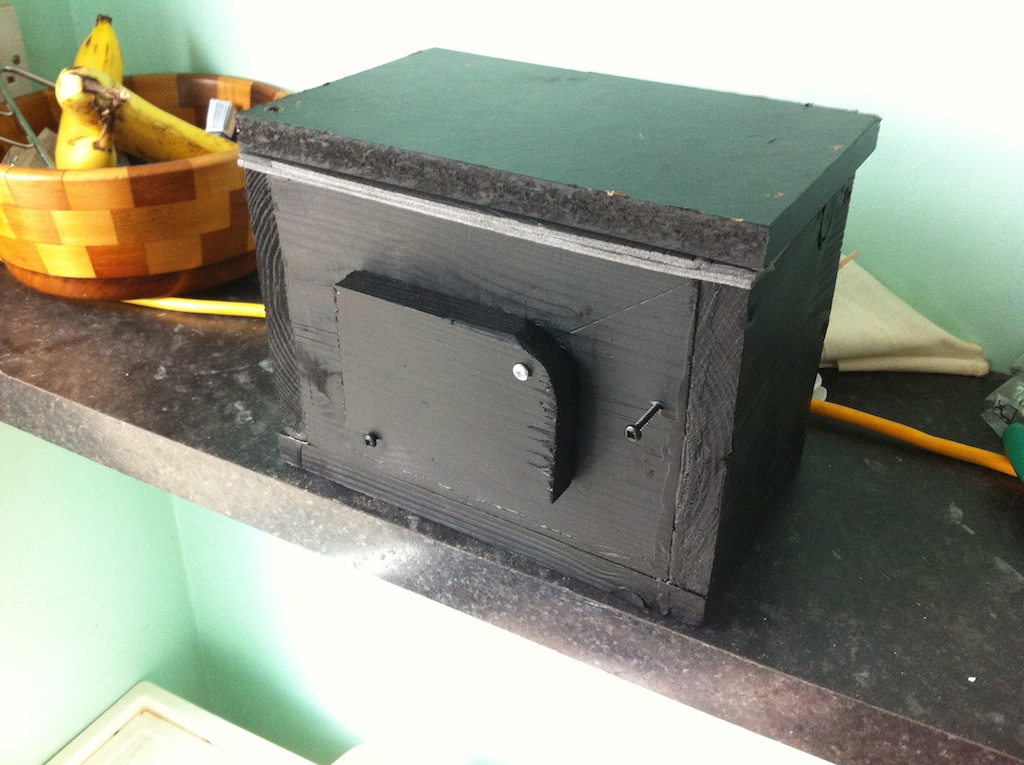
So, while waiting for my Solargraph to take shape i’d decided to build a pinhole camera.  My ‘film’ was again going to be 5×7 black and white photo paper.  I had a dig around in the garage, found some wood, purchased some glue and black spray paint and gave it a go.  I knew I needed a light sealed box with a very small hole at the front opposite the photo paper.  The best way to do this seemed to be make a large hole in the wood, cover with tinfoil and make a hole with a pin.  I also needed a crude shutter.  Below are a few photo’s of my making process:

Mocked up lower section.

Mocked up lower section.

Again, mocked up. First screws to hold it together.

Again, mocked up. First screws to hold it together.

View of the aperture/shutter assembly.

View of the aperture/shutter assembly.

Finished Camera

Finished Camera

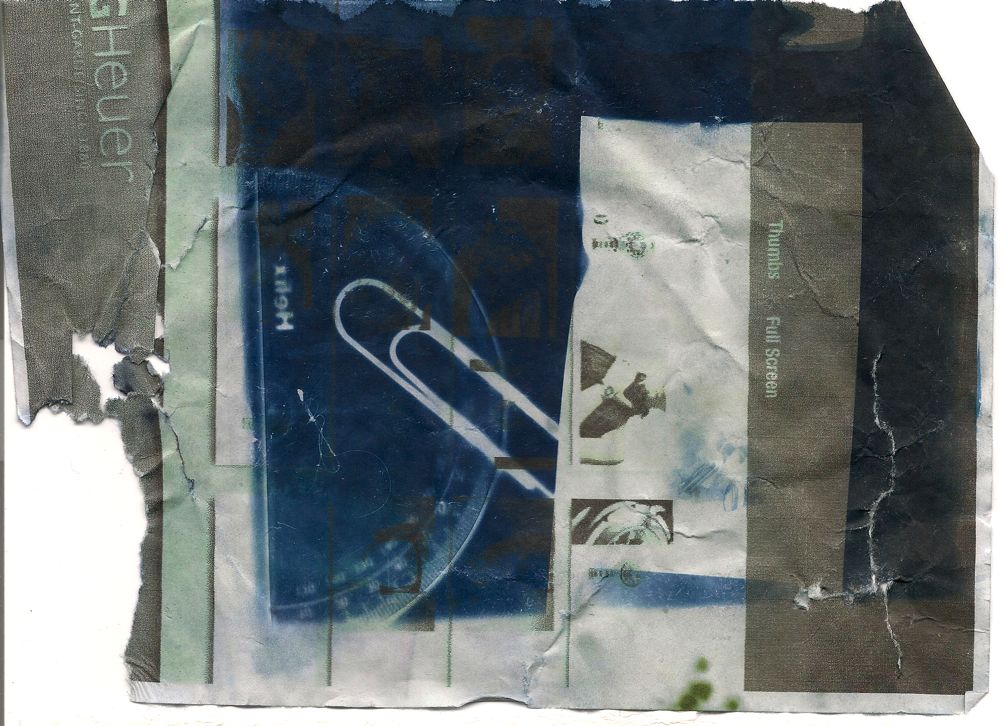
This week we tried another couple of non camera photographic techniques.  The first one being a Cyanotype or Blueprint.  Paper is painted with a solution, left to dry and then either items or an acetate print are placed on top and the whole thing exposed to UV light for 15-20 minutes.  The paper is then washed in water and then dried.  I did a fairly simple one onto a piece of paper from my watch project.  I placed some negatives, a protractor and a large paperclip onto the paper before exposing to UV:

Cyanotype

Cyanotype

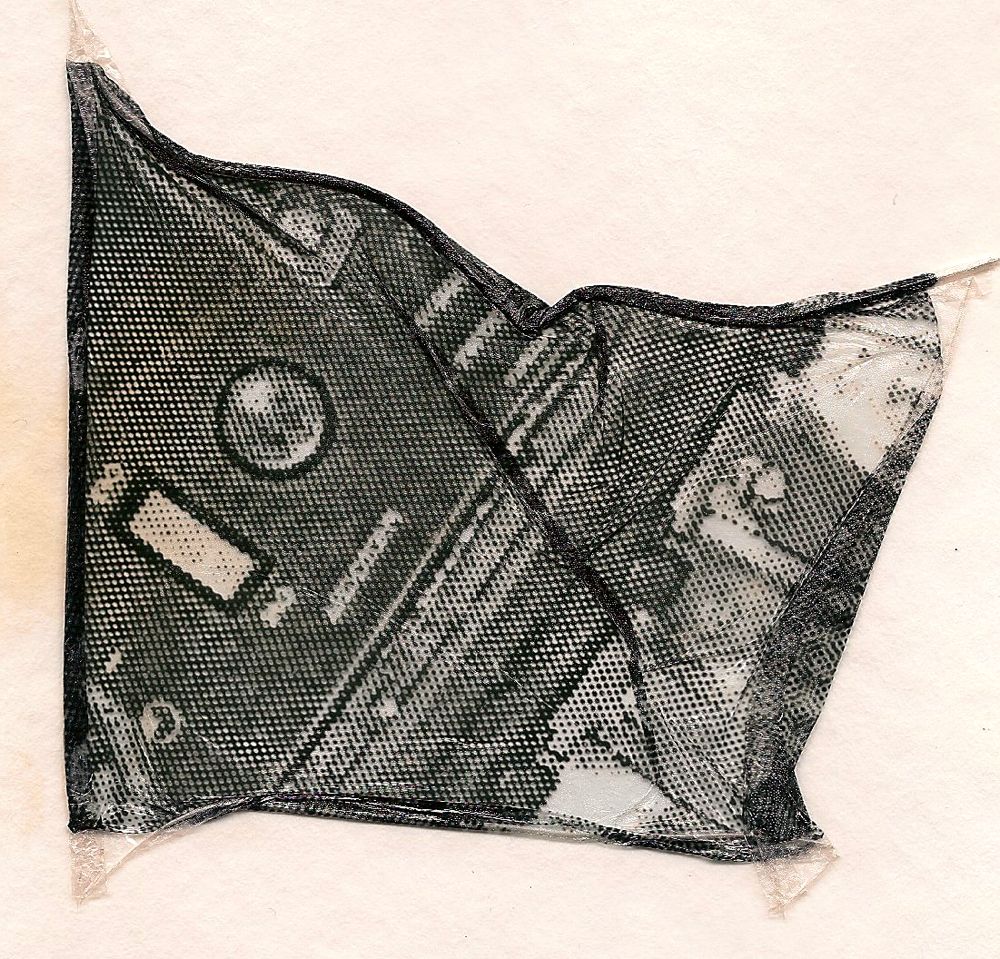
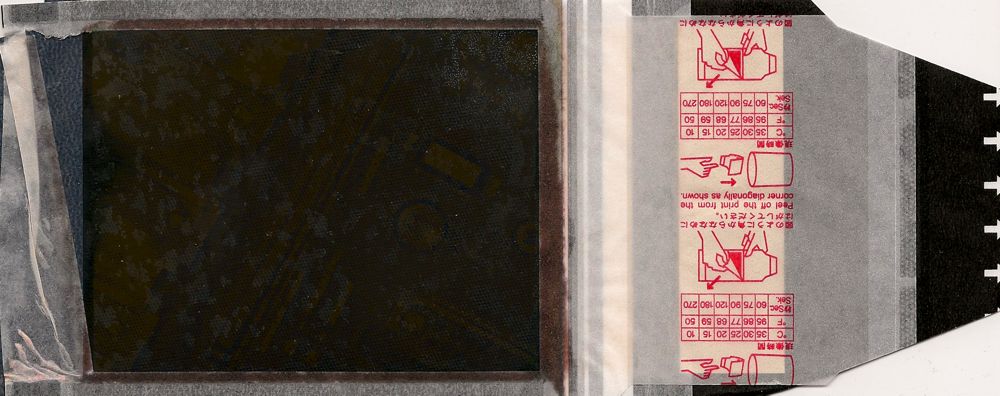
We then tried a Polaroid Lift.  Because the camera’s are so hard to come by the college has a machine that prints a 35mm negative or an acetate onto a polaroid.  What you can then do is soak the picture in hot water and the image on a thin film comes away from the white card.  There are a couple of things that can then be done with this:

  • The thin film can then be arranged on a piece of card. Either as flat as possible or most likely crumpled.
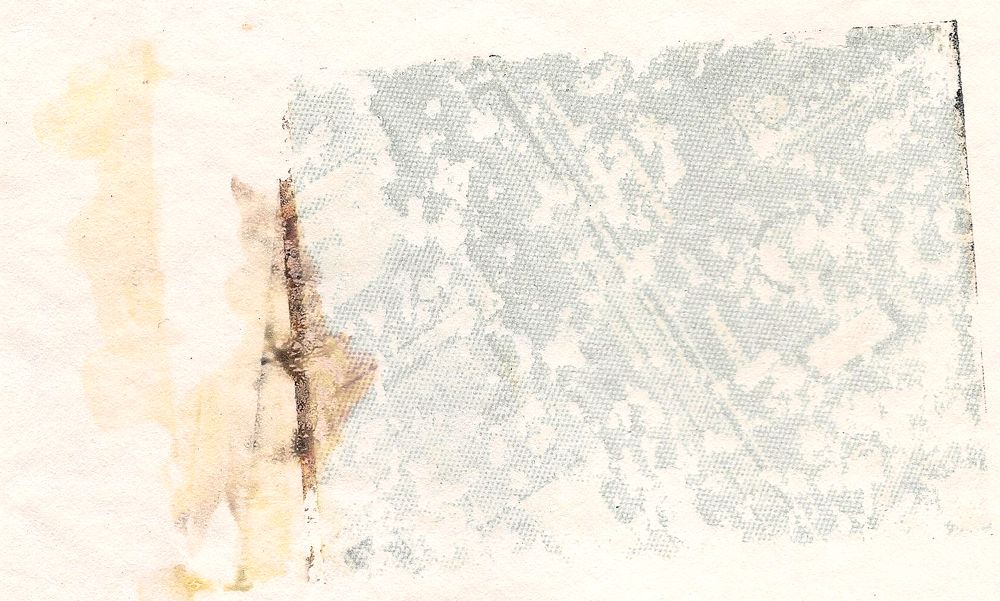
  • The black paper that is peeled off the polaroid picture can be pressed onto paper and whatever residue is left is transferred.
Polaroid Lift on paper

Polaroid Lift on paper


Polaroid residue left on backing

Polaroid residue left on backing


Polaroid backing residue

Polaroid backing residue

This week, we explored some more photographic techniques.  Building on the photogram work from last week in the darkroom and using the enlargers.

We started by distressing negatives, literally taking some of the ones we’d got from our medium format shoot then scratching and burning them!  We then started with the same 5 second test strips as before to find the correct exposure, then onto a full A4 print:

Distressed negative 5 second test strip

Distressed negative 5 second test strip

Distressed negative A4 print

Distressed negative A4 print

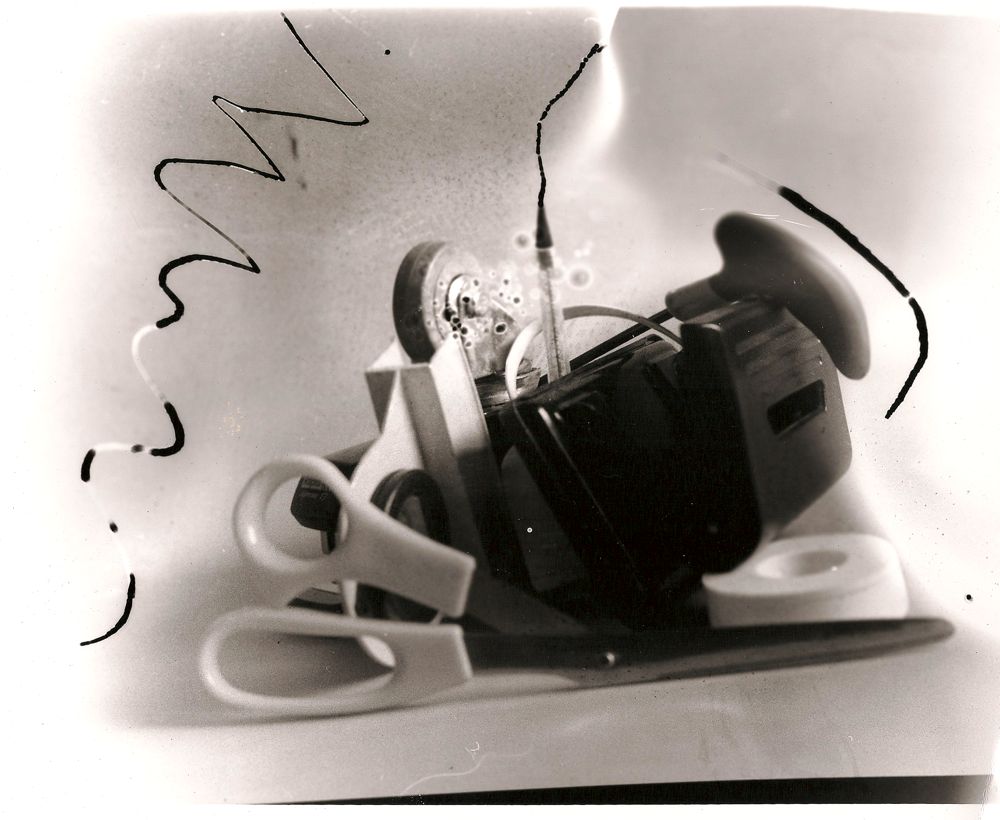
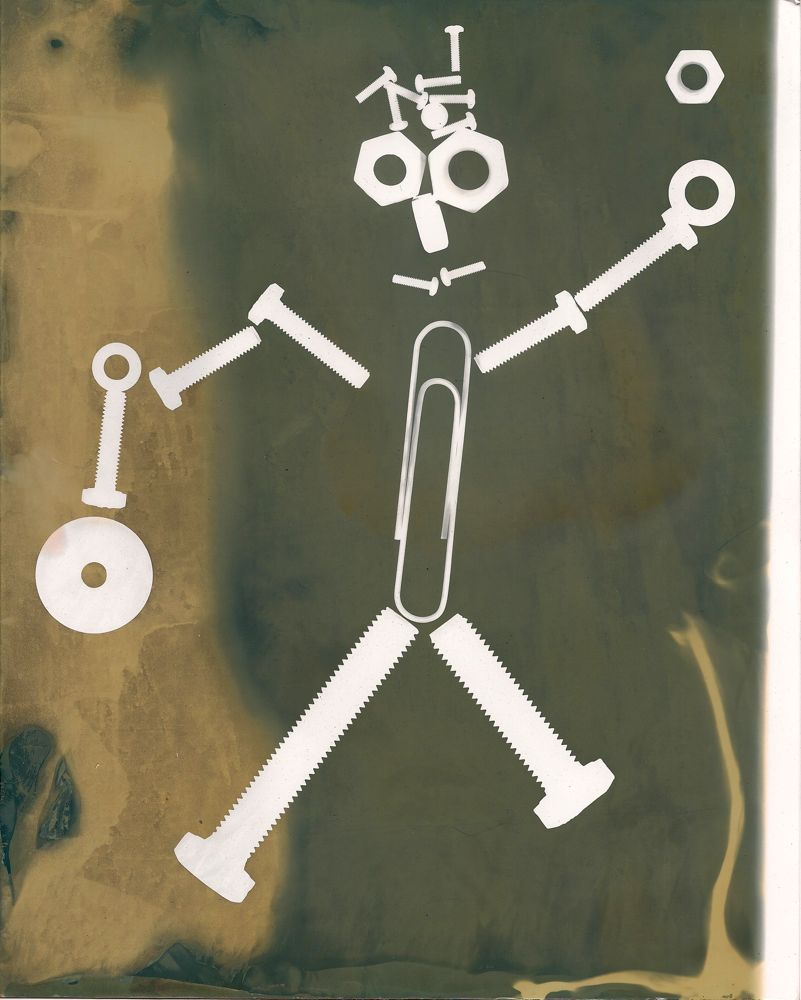
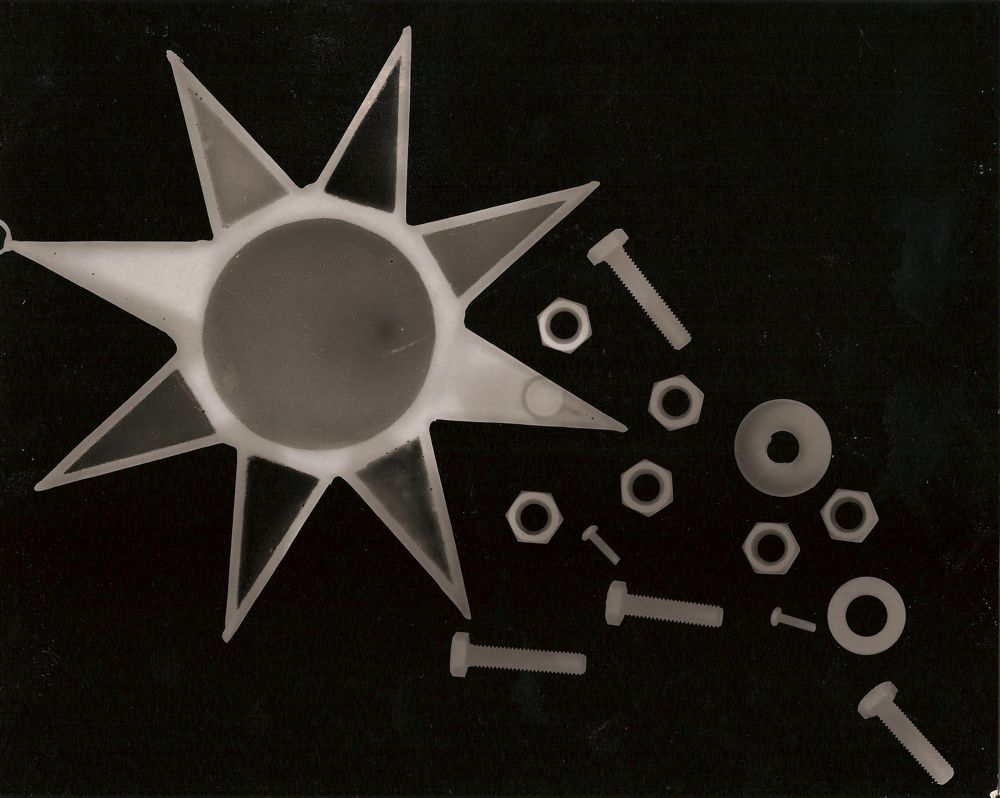
Something else we also did was to use various bleaches and dyes to colour photographs and photograms.  I used one of the photograms that I had done the previous week using nuts and screws:

Coloured photogram

Coloured photogram

With our next HNC unit we’ve moved away from using a camera, to looking at some of the historical process’ and creative techniques that are available.  These are not necessarily about getting the best, sharpest image, but making something creative.

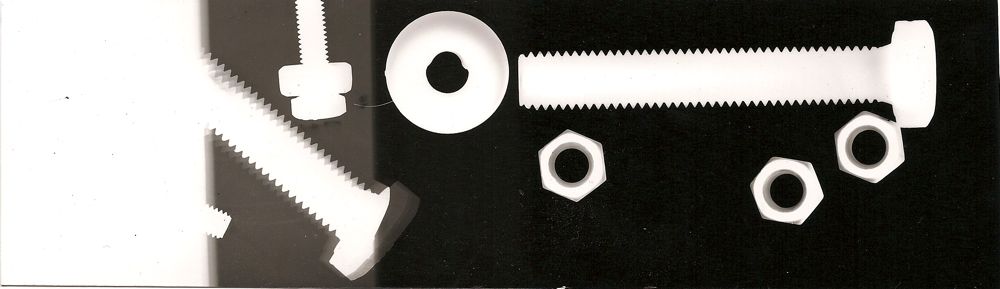
We started in the darkroom looking at Photograms.  This is a process of placing objects onto photographic paper and then using an enlarger to shine light onto the arrangement, thus creating a negative.  This is then developed using the darkroom chemicals.

To get the correct exposure time, as with developing a negative, a test strip is done where card is used to gradually shade less of the photographic paper so that exposures of 5, 10, 15 etc. seconds can be seen.  This process can be repeated if necessary with different enlarger settings.The best time is then chosen for the final image.  (Below are scans of photo paper after developing)

Photogram 5 sec test strip

Photogram 5 Second gap test strip

Photogram Sun Catcher A4

Photogram full size. Sun catcher and fixings

We then repeated the process with negatives that we had shot before on medium format camera’s:

Photo develop 5 sec test strip

Negative 5 second increment test strip

First Developed A4 Photo

Negative A4 print


Note: Quick edit, got a Merit for the project, really happy with that!

So, after a pretty successful 1st studio shoot I was keen to make some adjustments and improvements  to my theme.  My main aim was to make the product look bigger and get some champagne in the glasses.

I started without champagne trying to set the shot up.  I really struggled to get what I wanted because the sheet of stainless steel I was using was too short.  I couldn’t get the champagne bottle and glasses far away enough to get the right angle.  Also, because the black cloth on the table and the background on the wall were different blacks I was getting a bit of a striped effect:

Sekonda FS striped (1)

I then tried getting rid of the stainless steel and pulling the black cloth up over an object in the background to give a more consistent colour:

Sekonda black background

These looked better.  It then took me a while to rotate the watch to try and avoid reflections and adjust the position of the champagne bottle of glasses.

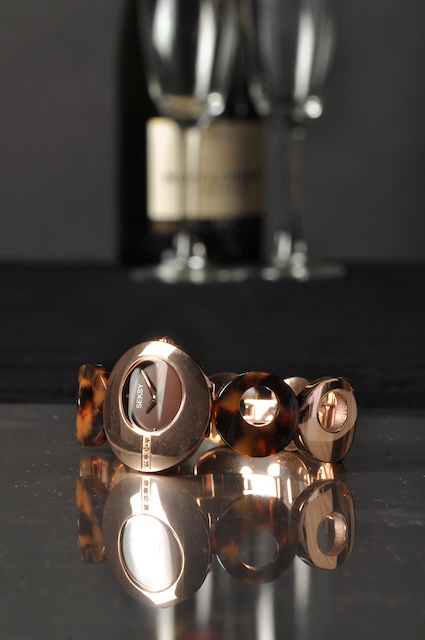
I then tried some champagne in the glasses and another student suggested putting lipstick on and drinking of one glass, which was a nice touch.  So my best shot from the day, before ‘photoshopping’ was:

Best Pre PS

After some photoshopping to remove scratches, dust specs and some other adjustments my final image:

Best Post PSI’m still a little frustrated by some of the reflections, but am very happy with my work to remove some of the marks and the dark ‘seksy’ look i’ve given to the watch.

All handed in and awaiting marking now…

One final thing:

At the end of the shoot, after sampling the champagne.  We decided a shot of the watch on the stainless steel, surrounded by champagne would look nice:

Seksy ChampagneWe we’re quite pleased in the end!

Our next HNC photography project is studio based.  Sekonda have lent the college a selection of prototype watches.  These were randomly allocated to us.  We have to then take a shot to go in a fictitious Argos pullout.

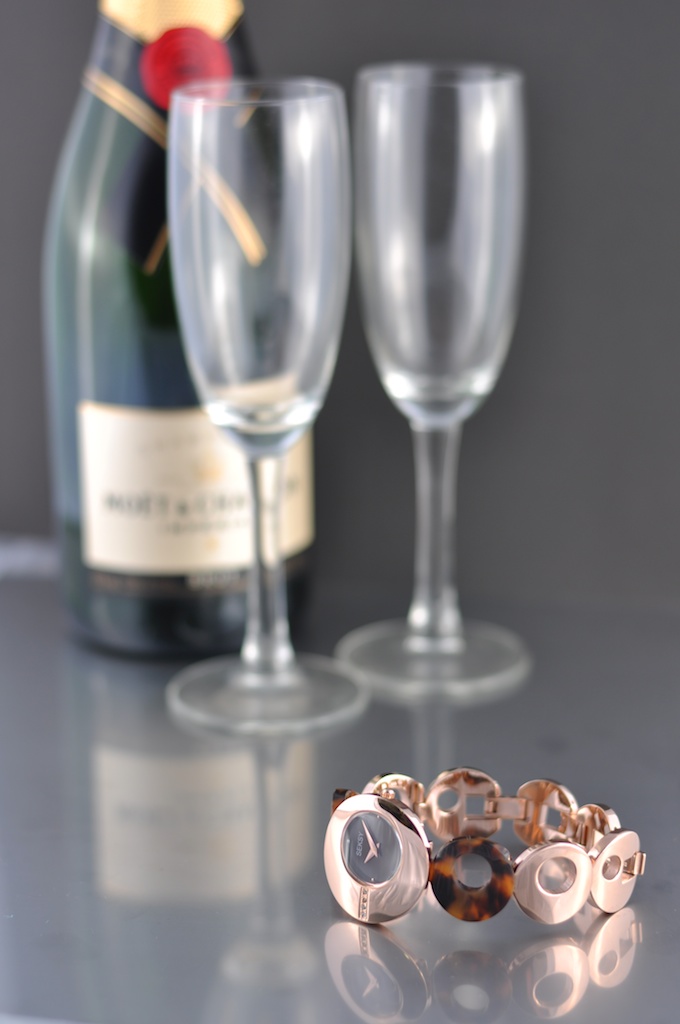
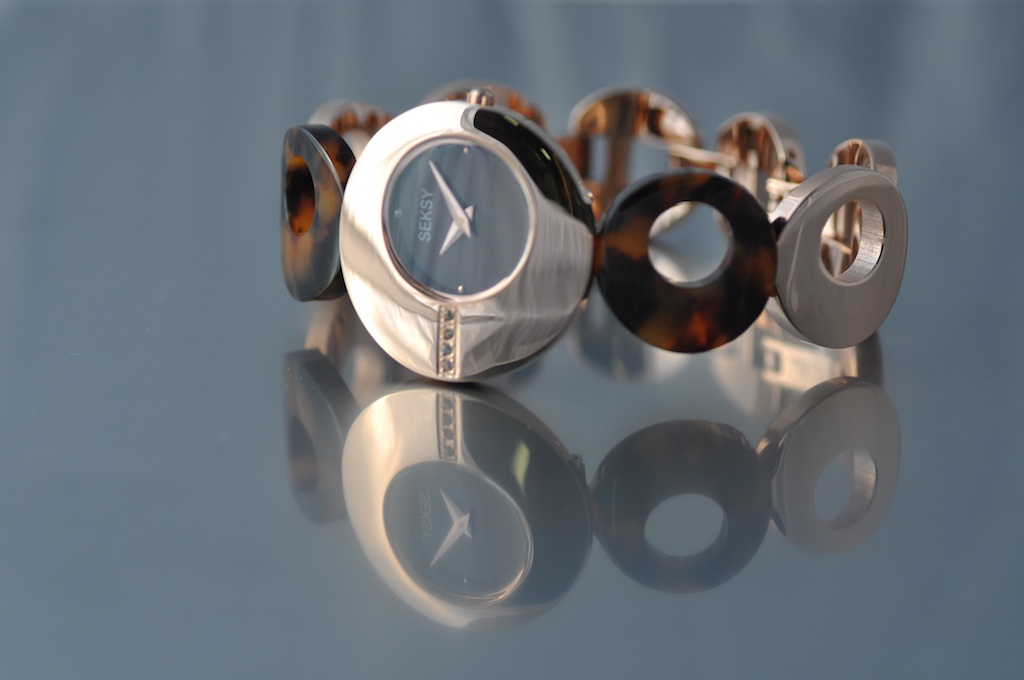
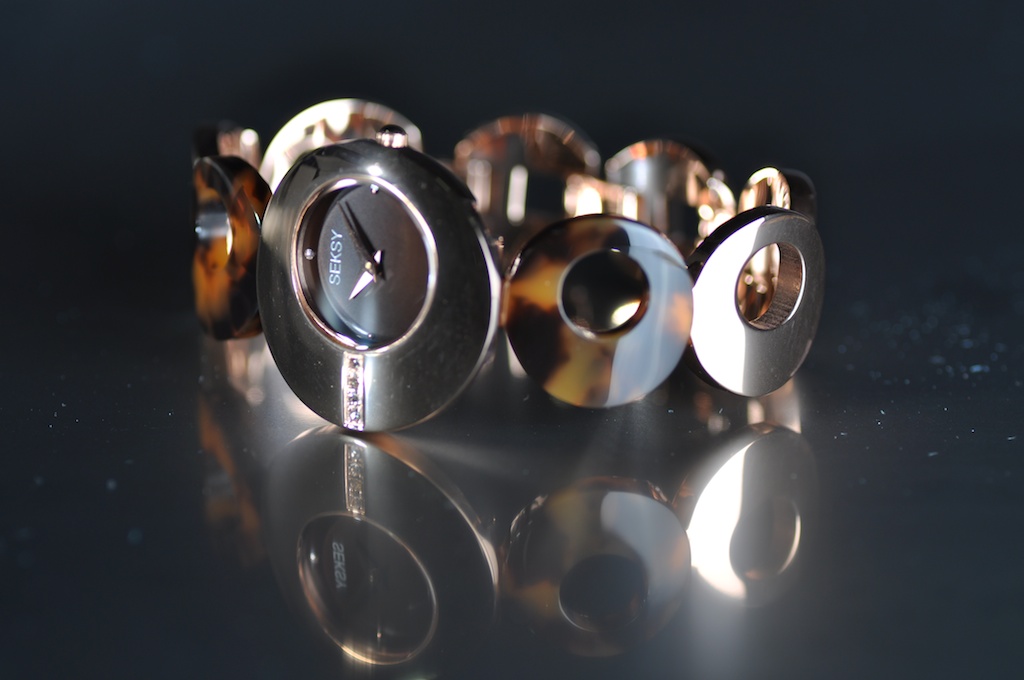
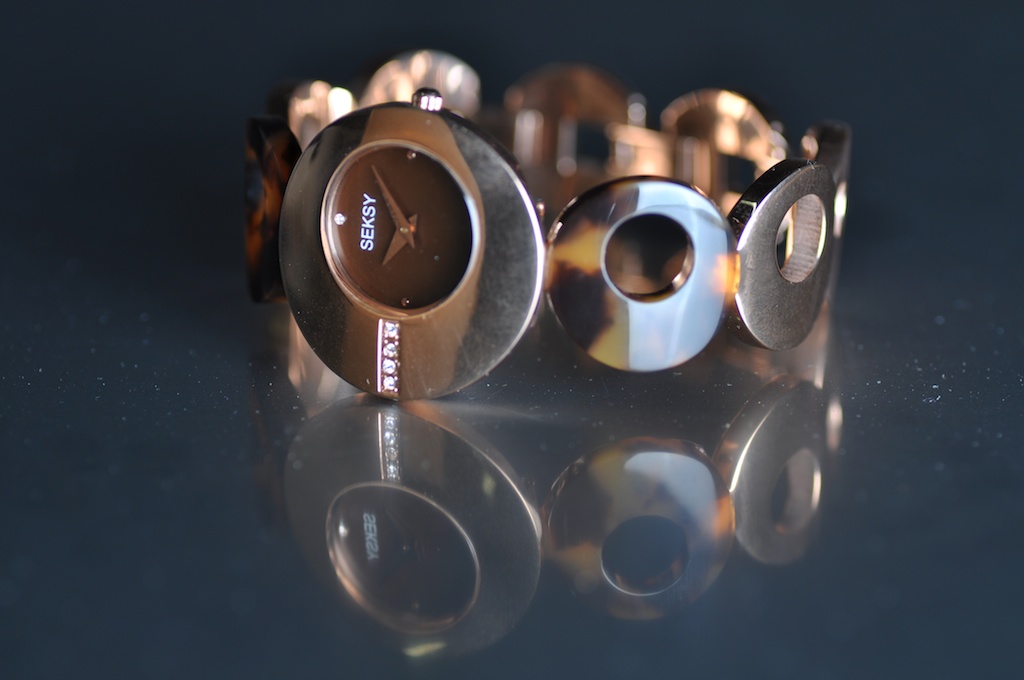
Below is a selection of my favourites from my first shoot:

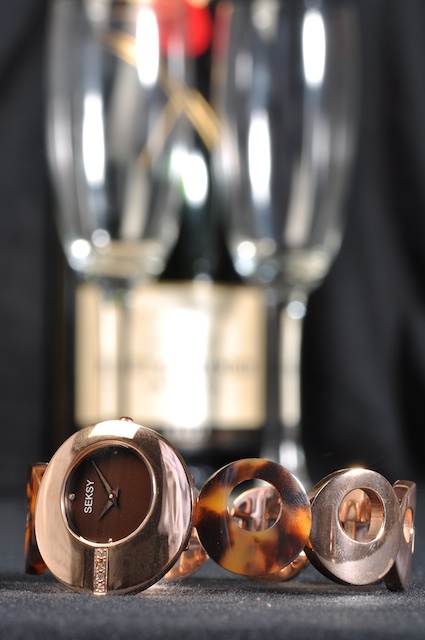
Watch 1st Shoot 1

I think this is my favourite shot so far. Need have have some bubbly in the glasses though. Might also try and ‘compress’ it all a bit, get things a bit closer together so the watch is more prominent. Seeing as that’s what i’m advertising.

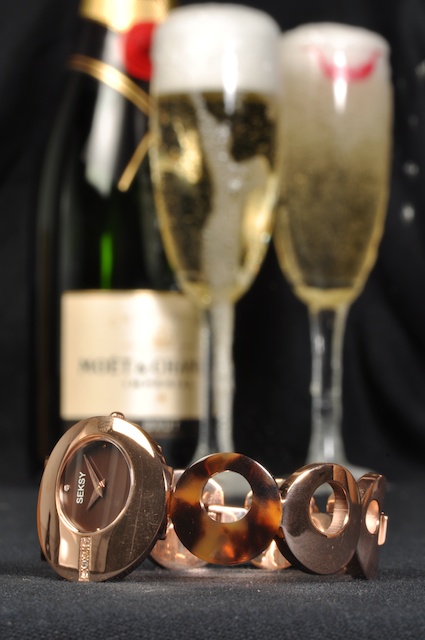
Watch 1st Shoot 2

I quite like the ‘dreamy’ look of this shot. Although it is a little boring and doesn’t tell much of a story about the watch. Seeing my camera reflection in the watch face is also a little frustrating.

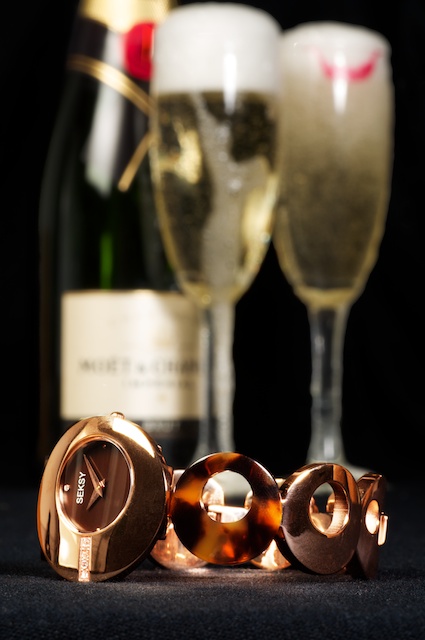
Watch 1st Shoot 3

Really should have wiped the stainless steel first, you can see all of the little specs of dust!

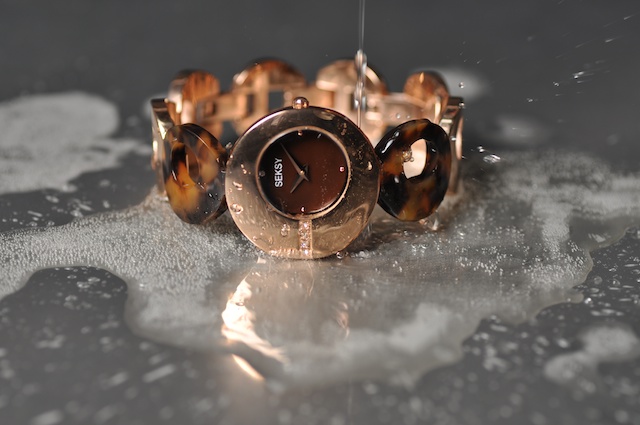
Watch 1st Shoot 4

This gallery contains 21 photos.

January 2013.  Snow!  I wish i’d had a bit more chance to get out in the snow with my camera, but work gets in the way!  Here are a few shots that I took.  Generally whilst out walking the dogs.  I’ve also got the snowman that my wife and I built in the back garden!